
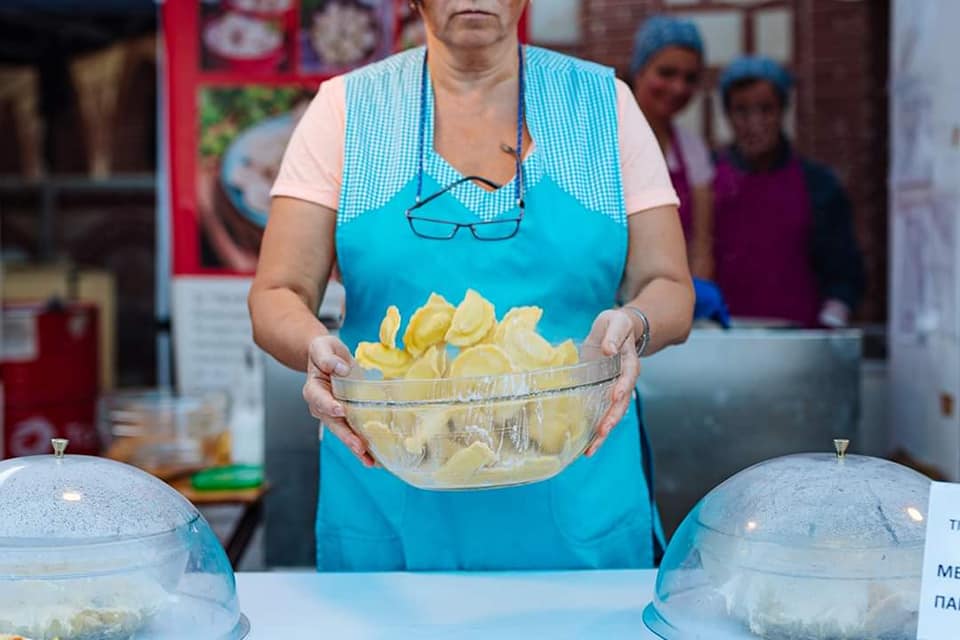
Cheese Vareniki
Soft dough with rich cheese filling and authentic traditional flavor.
The History of Vareniki
The word “Vareniki” comes from the Slavic term вареники which means “boiled dumplings.” Although Vareniki are particularly well known throughout Ukraine, Russia, and other Slavic countries, Pontic Greeks adopted the dish and adapted it to their own culinary traditions, creating distinctive local variations.
The Pontic people, known for their deep gastronomic heritage and influences from Asia Minor cuisine, developed their own version of Vareniki using local ingredients, including fresh cheese and aromatic herbs. Vareniki became especially popular during large family gatherings, while also being practical food that could be prepared in quantity and enjoyed over several days.
Vareniki remain one of the most beloved dishes within Pontic cuisine. These delicious dumplings, traditionally filled with cheese or potato, combine simplicity with rich flavor. Although they resemble other stuffed dumplings, such as Russian Pelmeni or Italian ravioli, Vareniki stand out due to their unique preparation and distinctive character.
Serving Suggestions
Cheese or potato Vareniki are traditionally served warm, usually accompanied by Greek yogurt, melted butter, and black pepper. In some variations, they are topped with freshly chopped herbs such as dill or mint, adding extra aroma and freshness.
Cheese or potato Vareniki remain among the most iconic dishes of Pontic culinary tradition, highlighting the connection between Pontic, Slavic, and Asia Minor cuisines. They represent comfort, tradition, and family gatherings — simple dishes whose unique flavor has made them timeless favorites.