Logo

LEONIDIS

STREET FOOD
HOME ABOUT US MENU EVENTS GALLERY CONTACT
LEONIDIS COMPANY Main website
EL | EN
HOME ABOUT US MENU EVENTS GALLERY CONTACT
EL | EN
Panagiotis Uncategorised 13 May 2026
 
RUSSIAN CLASSICS

Piroshki

Soft handmade dough with rich traditional filling.

The History of Piroshki

Piroshki (Russian: пирожки ) is one of Eastern Europe’s most recognizable traditional foods. The name is a diminutive form of the Russian word пирог ( Pirog ), meaning “large pie.” Therefore, Piroshki literally translates to: small pie .

In Greece, its history is closely connected with Pontic Greeks and refugees from Asia Minor. They brought the recipe with them, making Piroshki one of the most beloved everyday street food snacks in Greek culture.

Traditional Piroshki dough is prepared using yeast. The pastries are then shaped into small boats and either deep-fried in hot oil (the most popular version in Greece) or baked in the oven (the classic homemade Russian version).
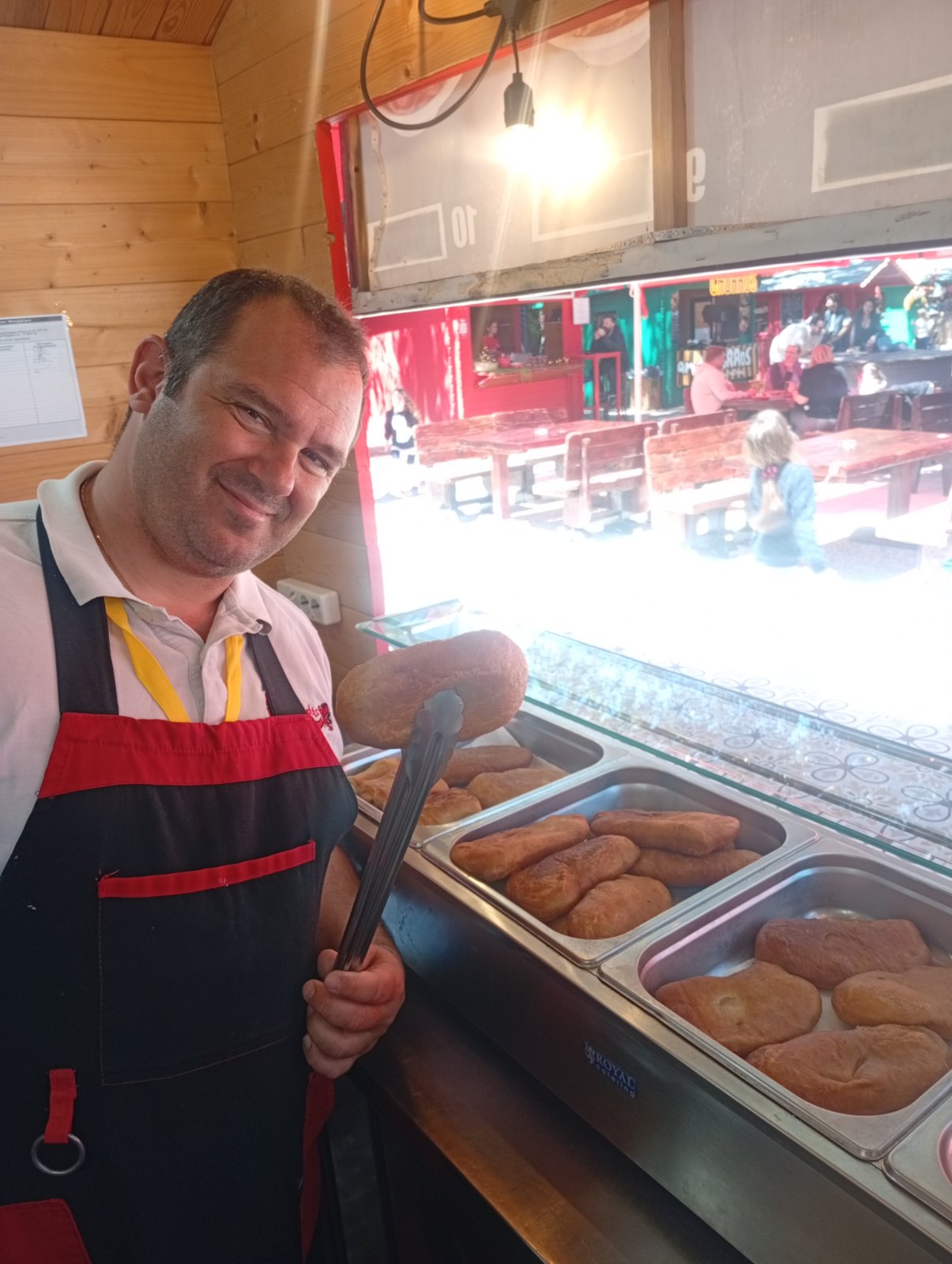
Piroshki

Serving Suggestions

Piroshki are usually served warm, often enjoyed on their own or accompanied by yogurt, sour cream (Smetana), or fresh herbs. Depending on the filling, they pair perfectly with salads, pickled vegetables, or traditional sauces.

Piroshki represent more than simple street food. They reflect culinary traditions passed through generations, combining nostalgia, comfort, and authentic flavor. Their simplicity, combined with rich fillings, has made them timeless favorites throughout Eastern Europe and beyond.
Previous Article Next Article
Panagiotis Uncategorised 13 May 2026
 
RUSSIAN CLASSICS

Potato Vareniki

Traditional Vareniki filled with creamy potato filling.

The History of Vareniki

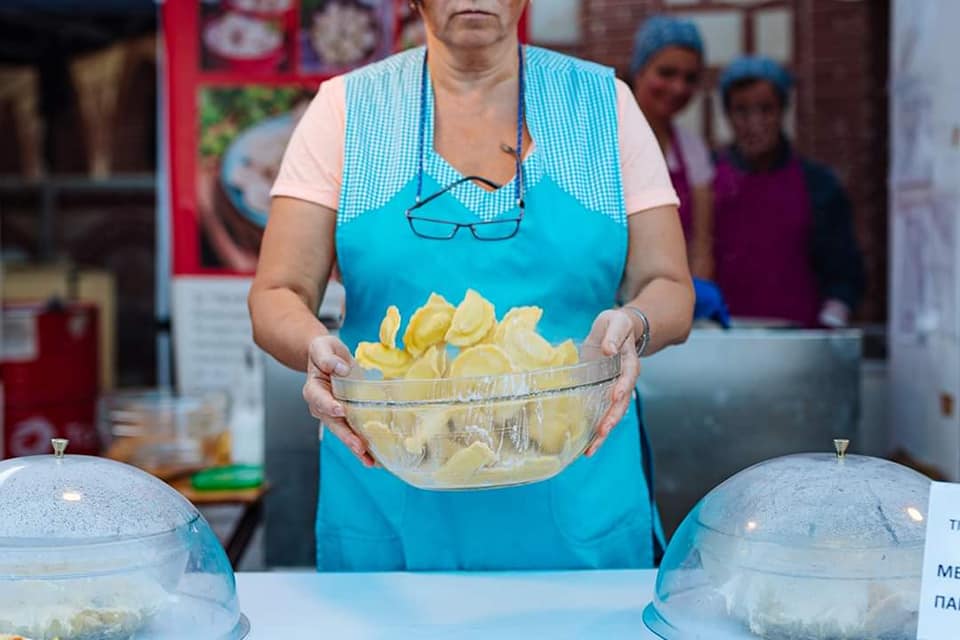
The word “Vareniki” comes from the Slavic term вареники meaning “boiled dumplings.” Although Vareniki are especially well known throughout Ukraine, Russia, and other Slavic countries, Pontic Greeks adopted and adapted them, creating their own distinctive culinary versions.

The Pontic people, with their rich gastronomic heritage and influences from Asia Minor cuisine, developed unique variations using local ingredients, including cheese, potatoes, and aromatic herbs. Vareniki became especially popular during large family gatherings, while remaining practical dishes that could be prepared in quantity and enjoyed gradually.

Vareniki are among the most beloved traditional dishes of Pontic cuisine. These flavorful dumplings, filled with cheese or potato, represent a perfect balance between simplicity and rich comforting taste. Although they resemble Russian Pelmeni or Italian ravioli, Vareniki stand apart thanks to their distinctive preparation and unique character.

Potato Vareniki

Serving Suggestions

Potato or cheese Vareniki are traditionally served warm, often accompanied by Greek yogurt, melted butter, and black pepper. In some versions, fresh herbs such as dill or mint are added for extra aroma and freshness.

Potato Vareniki remain one of the most recognizable dishes of Pontic cuisine, highlighting the connection between Pontic, Slavic, and Asia Minor culinary traditions. Rich in nostalgia, flavor, and tradition, they are ideal for family meals and festive gatherings. Their simplicity combined with their unique taste makes them timeless favorites.

Previous Article Next Article
Panagiotis Uncategorised 13 May 2026
 
RUSSIAN STREET FOOD

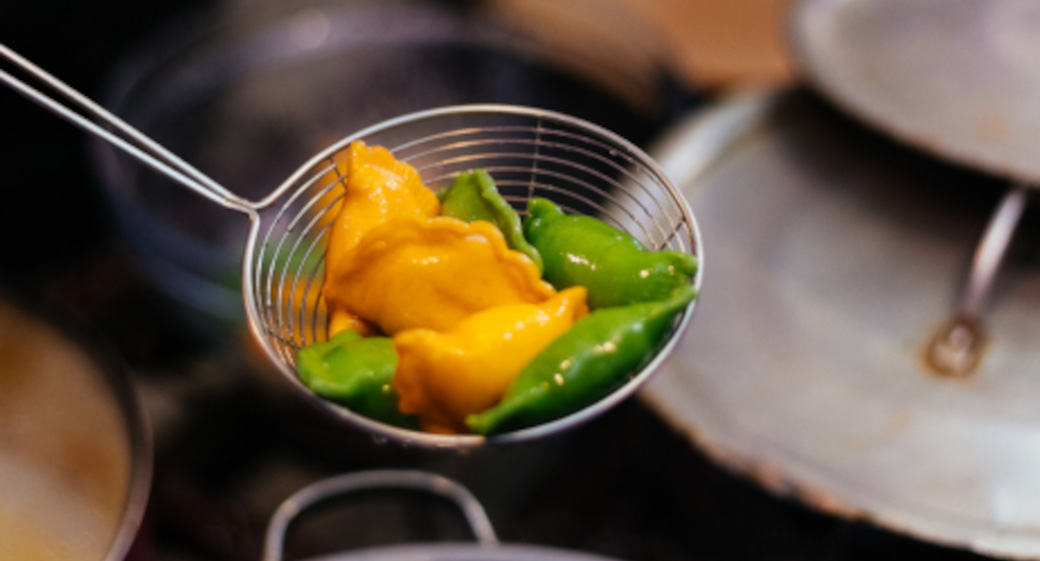
Vareniki with Fresh Herbs & Parmesan

Traditional Vareniki with aromatic herbs and rich Parmesan flavor.

The History of Vareniki

The word “Vareniki” comes from the Slavic term вареники which means “boiled dumplings.” Although Vareniki are especially popular throughout Ukraine, Russia, and other Slavic countries, Pontic Greeks adopted the dish and adapted it to their own culinary traditions, giving it unique local characteristics.

The Pontic people, known for their rich gastronomic heritage and influences from Asia Minor cuisine, developed their own variations of Vareniki using locally available ingredients such as fresh cheese and aromatic herbs. Vareniki became particularly popular during large family gatherings and remained practical dishes that could be prepared in quantity and enjoyed over time.

Vareniki are among the most beloved traditional dishes of Pontic cuisine. These delicious dumplings, typically filled with cheese or potatoes, combine simplicity with rich flavor. Although similar to Russian Pelmeni or Italian ravioli, Vareniki stand out due to their distinctive preparation and unique character.

Vareniki with Herbs & Parmesan

Serving Suggestions

Vareniki are traditionally served warm, often accompanied by sour cream (Smetana), melted butter, and sweet red pepper. In some variations, they are topped with freshly chopped herbs such as dill or mint, adding extra aroma and freshness.

This version with fresh herbs and Parmesan offers a more aromatic, modern interpretation while preserving the authenticity of traditional Eastern European flavors.

Previous Article Next Article
Panagiotis Uncategorised 13 May 2026
 
RUSSIAN CLASSICS

Cheese Vareniki

Soft dough with rich cheese filling and authentic traditional flavor.

The History of Vareniki

The word “Vareniki” comes from the Slavic term вареники which means “boiled dumplings.” Although Vareniki are particularly well known throughout Ukraine, Russia, and other Slavic countries, Pontic Greeks adopted the dish and adapted it to their own culinary traditions, creating distinctive local variations.

The Pontic people, known for their deep gastronomic heritage and influences from Asia Minor cuisine, developed their own version of Vareniki using local ingredients, including fresh cheese and aromatic herbs. Vareniki became especially popular during large family gatherings, while also being practical food that could be prepared in quantity and enjoyed over several days.

Vareniki remain one of the most beloved dishes within Pontic cuisine. These delicious dumplings, traditionally filled with cheese or potato, combine simplicity with rich flavor. Although they resemble other stuffed dumplings, such as Russian Pelmeni or Italian ravioli, Vareniki stand out due to their unique preparation and distinctive character.

Cheese Vareniki

Serving Suggestions

Cheese or potato Vareniki are traditionally served warm, usually accompanied by Greek yogurt, melted butter, and black pepper. In some variations, they are topped with freshly chopped herbs such as dill or mint, adding extra aroma and freshness.

Cheese or potato Vareniki remain among the most iconic dishes of Pontic culinary tradition, highlighting the connection between Pontic, Slavic, and Asia Minor cuisines. They represent comfort, tradition, and family gatherings — simple dishes whose unique flavor has made them timeless favorites.

Previous Article Next Article
Panagiotis Uncategorised 13 May 2026
 
RUSSIAN CLASSICS

Blinchiki with Beef Filling

Homemade crepes filled with rich traditional beef filling.

The History of Blinchiki

Blinchiki are traditional Russian and Eastern European crepes, deeply rooted in Slavic culinary traditions. Their origins date back to ancient times and are associated with celebrations marking the end of winter and the arrival of spring. The Russian festival of Maslenitsa —a week dedicated to eating Blinchiki — remains one of the oldest traditions still celebrated today.

Blinchiki resemble French crepes, although they have a slightly different texture and flavor. They are commonly filled with sweet or savory ingredients and remain especially popular throughout Russia, Ukraine, and Belarus. One of the most beloved fillings is beef, combining the softness of the crepe with the richness of cooked meat.

Blinchiki with Beef

How to Prepare Blinchiki with Beef

Ingredients

For the crepes:

  • 2 eggs
  • 250 ml milk
  • 125 ml water
  • 150 g flour
  • 1 tbsp sugar
  • ½ tsp salt
  • 1 tbsp melted butter
  • Sunflower oil for frying

For the filling:

  • 300 g ground beef
  • 1 small onion (finely chopped)
  • 1 garlic clove (finely chopped)
  • 2 tbsp butter or olive oil
  • Salt & pepper
  • ½ tsp paprika or nutmeg (optional)
  • 50 ml meat broth or water

Serving Suggestions & Pairings

Blinchiki with beef filling are served warm, usually topped with a spoonful of sour cream (Smetana) or yogurt. They pair perfectly with fresh salad or pickled vegetables for a richer and more balanced flavor experience.

Previous Article Next Article
  1. Symphony of Flavors
  2. Pelmeni with Florina Pepper & Anthotyro Cheese
  3. Pelmeni
  4. Khinkali

Page 2 of 3

  • 1
  • 2
  • 3
  • Homepage